Advanced Large-Format SLA Manufacturing
RP Polymers operates large-format SLA additive manufacturing for high-precision prototypes, validation parts, tooling masters and selected low-volume components. Our 600 x 600 x 450 mm build volume supports larger geometries as well as efficient multi-part builds. SLA is particularly valuable when customers need fine detail, smooth surfaces, complex shapes or rapid design iteration without conventional tooling. RPP supports file preparation, build planning, printing, post-processing and development feedback so printed parts can contribute effectively to fitment checks, product validation, tooling development and bridge manufacturing programs.
Additive Manufacturing Scope
Our SLA service supports customers from digital model review through printing and post-processing. We evaluate part orientation, support strategy, geometry, resin requirements and intended use before production, then plan the build around quality, dimensional needs and efficient machine utilization for prototypes, validation parts, tooling masters and selected short-run applications.

High-precision prototype and validation printing
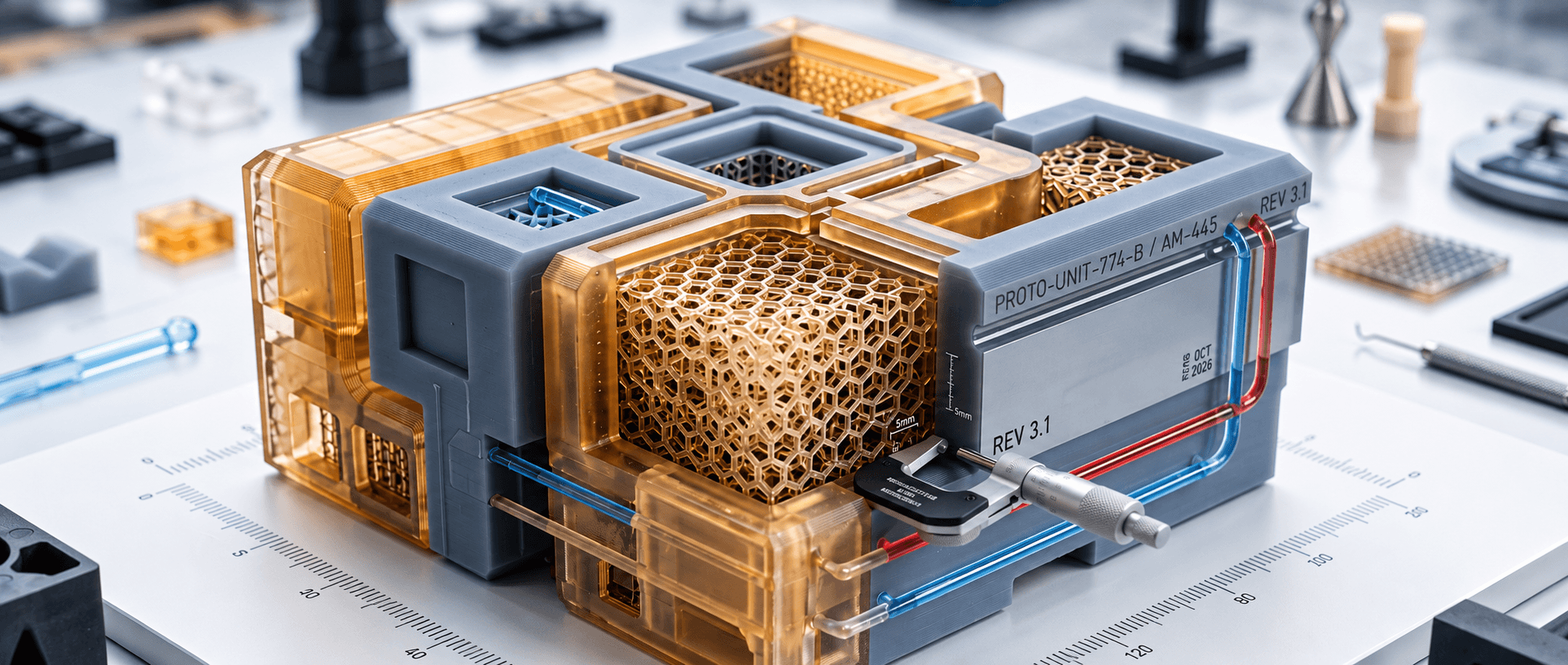
Large-format and multi-part SLA builds
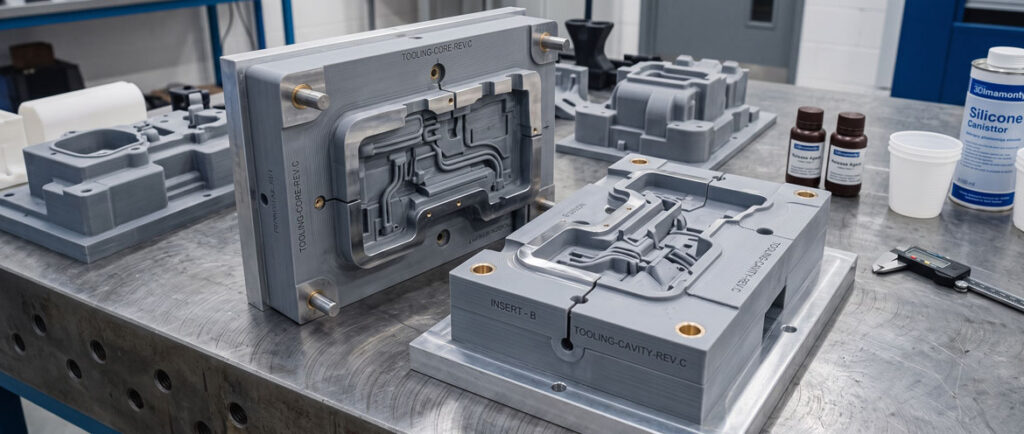
Tooling masters, patterns and development aids
Selected bridge and low-volume component production
SLA600 3D Printer Features
Build Volume: 600 x 600 x 400 mm, allowing for large-scale single-piece automotive trims or batch production of smaller parts.
Precision Layering: Down to 0.05 mm (50 microns) layer thickness, ensuring smooth surface finishes straight off the build plate.
Accuracy: ±0.1 mm for parts under 100 mm, driven by a 3W Diode Pumped Solid State UV Laser (355nm) and a German Scanlab Galvanometer.
Production Speed: Recommended scanning speed of 6000 mm/s, optimized for high-volume functional testing and manufacturing.
Solutions & Benefits
SLA additive manufacturing reduces the need for conventional tooling during early development and allows complex geometry to be produced directly from digital data. Customers can test form, fit, appearance and assembly interfaces earlier, revise designs quickly and create tooling masters without long lead times. RPP’s large build platform also enables bigger parts or multiple components in one production cycle. Final resin selection and suitability for end use depend on mechanical, thermal, environmental and regulatory requirements. This supports faster engineering decisions during product development and localization.
Frequently Asked Questions
What is the maximum SLA build size available?
RPP's SLA platform provides a build volume of 600 x 600 x 450 mm. Practical part size may vary depending on orientation, support structures, geometry, drainage requirements and the intended surface quality.
Which file formats can be supplied for SLA printing?
STL files are commonly used for printing, while STEP or other CAD formats can be supplied when design review or preparation is required. RPP will confirm the preferred file format for each project
Are supports and post-processing included in the quoted price?
Support generation, cleaning, curing and required finishing are considered during quotation. The exact scope depends on geometry, resin, surface expectations and whether the customer requires a functional validation part, master or presentation-quality component.
Can SLA printed parts be used as final components?
In selected applications, yes, but suitability depends on resin properties, loads, temperature, UV exposure, chemicals, tolerances and service life. RPP reviews the intended application before recommending SLA as an end-use manufacturing route.
How is SLA printing lead time normally determined?
Lead time depends on part size, build height, quantity, resin, support requirements, machine availability and post-processing. Complex projects may also require design review or test builds before the final production run.