Engineering And Product Realization
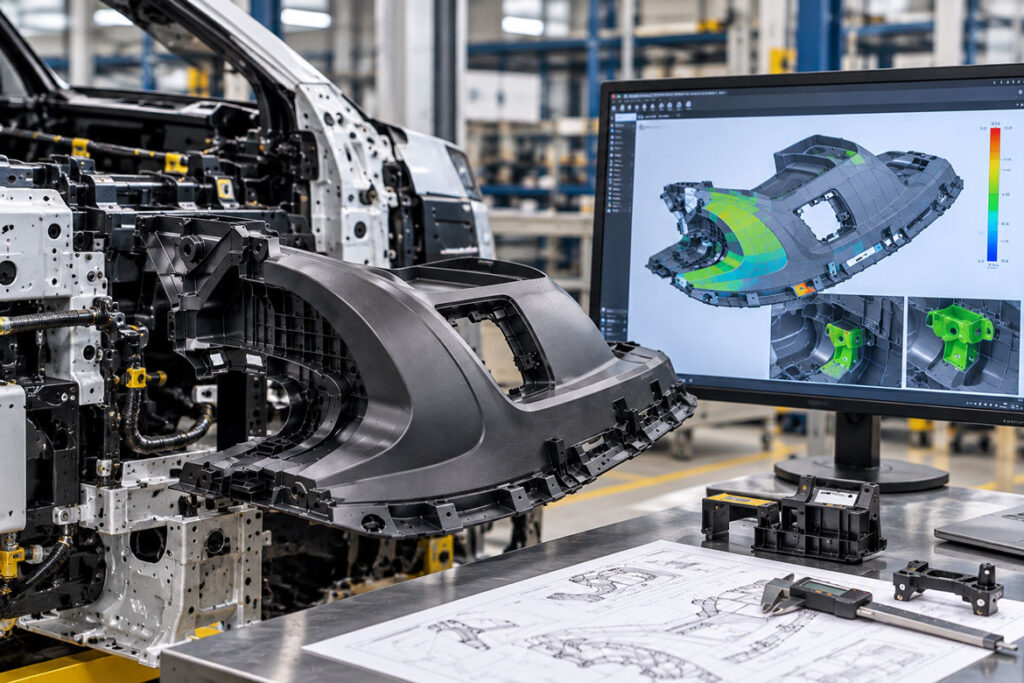
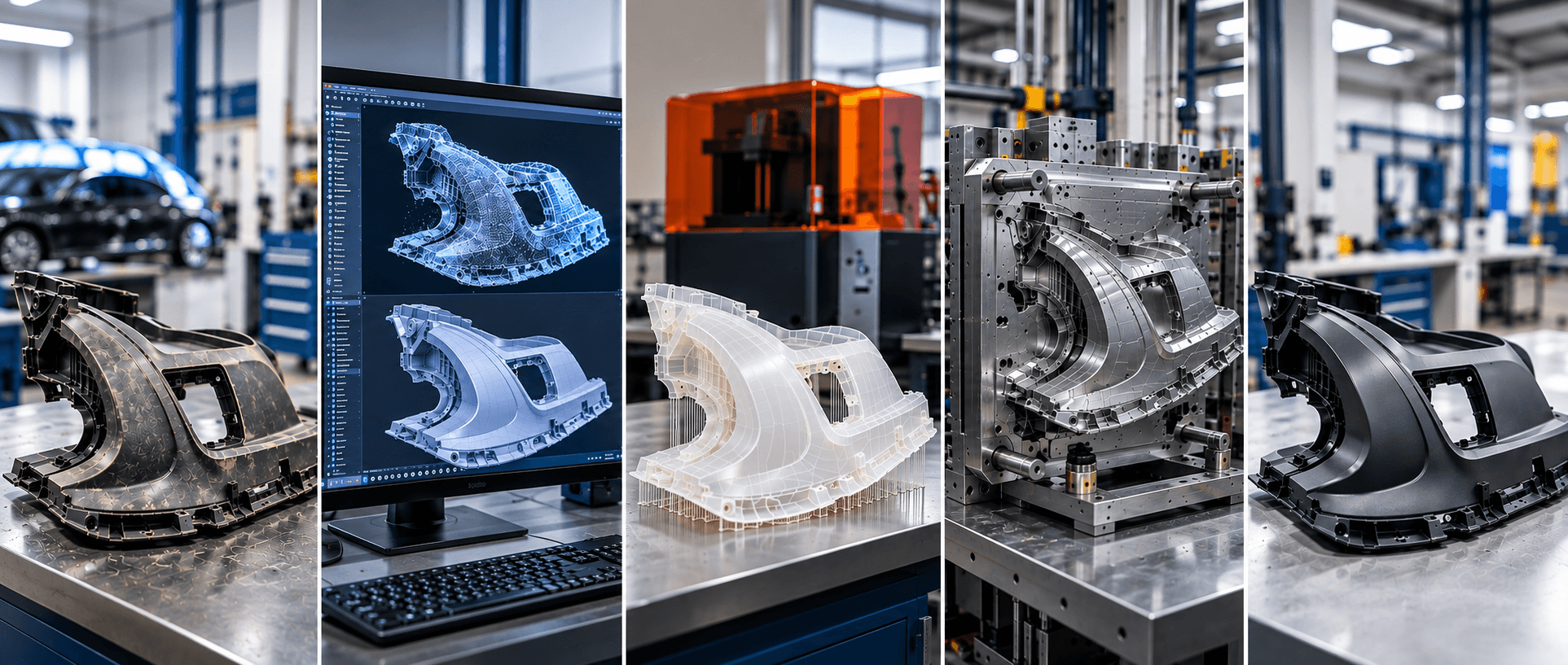
RP Polymers supports development-intensive plastic component programs from existing part or early concept through validated design and manufacturing readiness. Our workflow can combine 3D scanning, reverse engineering, CAD development, design refinement, SLA prototyping, fitment validation, tooling strategy and production planning. Rather than treating each stage as a separate service, RPP connects engineering decisions with the intended manufacturing route. This helps customers localize imported components, recreate obsolete parts, develop new products and move evolving designs toward repeatable low-to-medium-volume production with fewer technical handoffs.

Product Realization Scope
Our engineering workflow supports the stages between an initial requirement and a production-ready component. We capture or create geometry, develop CAD data, adapt designs for manufacturing, produce prototypes, validate fit and function, define tooling and secondary operations, then support pilot builds and industrialization before routine production begins with defined customer approval points.
Reverse engineering and CAD reconstruction
3D design and product development
Prototype validation and design refinement
Industrialization and serial-production planning
Solutions & Benefits
Customers often lose time when scanning, design, prototyping, tooling and production are handled by unrelated suppliers. RPP brings these stages into one coordinated product-realization workflow, preserving learning as the project develops. This is particularly valuable for localization, obsolete components, low-volume automotive parts and custom industrial products where requirements change during development. The result is a clearer path from physical component or concept to validated design, practical tooling and repeatable manufacturing, with technical decisions made around the final production objective overall.
Frequently Asked Questions
Can RPP develop parts when original drawings are unavailable?
Yes. RPP can capture an existing component through 3D scanning and measurement, reconstruct CAD data, refine worn or missing features and produce prototypes before progressing toward an appropriate manufacturing process.
Can you redesign components for a different manufacturing process?
Yes. Existing geometry may need changes to suit thermoforming, SLA or another production route. RPP reviews draft, wall behaviour, radii, interfaces, fastening, trimming, materials and other process-specific constraints before finalizing the design.
Can prototypes be produced before committing to production tooling?
Yes. SLA prototypes can support fitment, assembly, appearance and selected functional checks before production tooling is finalized. This allows design changes to be identified earlier, when they are generally faster and less expensive.
How does RPP support localization of imported plastic components?
RPP can capture existing geometry, reconstruct or redesign the component, produce validation parts and develop a suitable local manufacturing route. The objective is to reduce sourcing dependence while maintaining the application's critical requirements.
What happens after the component design is approved?
RPP can support tooling definition, trial production, trimming and fixture development, first-off approval and process stabilization before repeatable supply. The exact industrialization scope depends on the selected manufacturing method and customer requirements.